
The Allure of Casino Games
The thrill of casino games captivates millions worldwide, drawing individuals into an environment where fortune can change with a flip of a card or a roll of the dice. This allure is deeply rooted in psychological factors that compel people to take risks, including a fascination with bitcoin betting sites that have emerged as a popular choice for many. The excitement and unpredictability of gambling stimulate the brain’s reward system, making the experience not just about winning money but also about the adrenaline rush that accompanies risk-taking.

Moreover, the ambiance of casinos—complete with flashing lights, engaging sounds, and the presence of fellow gamblers—creates a stimulating atmosphere that further encourages risk-taking behavior. The combination of environmental cues and psychological triggers heightens a gambler’s desire to engage, often leading them to make bold decisions they might otherwise avoid in more controlled settings.
The Role of Cognitive Biases
Cognitive biases play a significant role in how individuals approach risk when gambling. For instance, the illusion of control can lead players to believe they have the ability to influence the outcome of games that are fundamentally based on luck. This mindset can translate into riskier choices, as gamblers may overestimate their skills or strategies, believing they are more adept than they truly are.
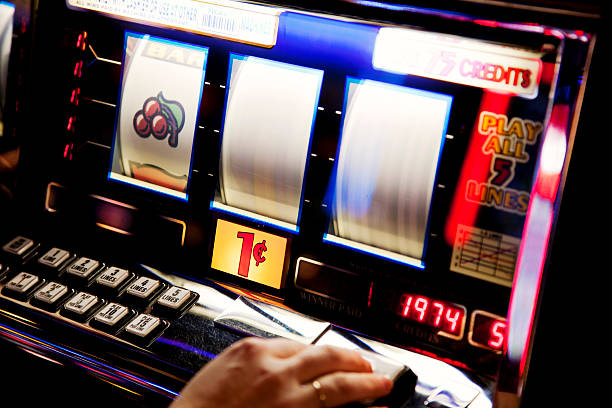
Additionally, the gambler’s fallacy—a cognitive bias where players expect future probabilities based on past events—can affect decision-making. For example, if a player observes a series of losses on a slot machine, they may feel compelled to continue playing, convinced that a win is “due.” Such biases can fuel persistent risk-taking, often leading to financial repercussions.
Emotional Factors in Decision-Making
Emotions significantly influence gambling behavior, often driving individuals to make impulsive decisions. High-stakes games can evoke excitement or fear, prompting players to take risks that align with their emotional state. When in the throes of excitement, a player may wager larger amounts than intended, believing that the positive emotions will carry them to victory.
On the contrary, negative emotions such as frustration or disappointment can lead to chasing losses, where players continue to gamble in a desperate attempt to recoup their previous investments. This cycle of emotional highs and lows illustrates how feelings can distort rational decision-making, leading to ongoing risk-taking behaviors.
Social Influences on Gambling Behavior
Social dynamics heavily influence risk-taking in casino games. The need for social acceptance can encourage individuals to gamble in groups, leading to collective decision-making that might involve riskier bets than they would place alone. The presence of friends or acquaintances often amplifies the thrill and can mask the financial risks involved.
Furthermore, social proof can play a role, as seeing others win can motivate individuals to take greater risks. This phenomenon reinforces a sense of community while simultaneously blurring the line between calculated risks and reckless gambling, making it crucial to understand the social components at play when evaluating one’s gambling behaviors.
Security and Responsible Gambling
As the thrill of casino games continues to attract players, the importance of security and responsible gambling practices becomes paramount. Many online and physical casinos are integrating advanced technologies to ensure a safe environment, protecting players from potential threats and enhancing their overall experience.
In addition to security measures, promoting responsible gambling awareness is essential. This entails providing resources and support for individuals seeking help with gambling-related issues. By fostering a secure and responsible gaming environment, casinos can help mitigate the risks associated with gambling while allowing players to enjoy their favorite games safely.